

english language resources
152 resources:
The brief on Trans-Inclusive Sanitation examines the existing legal and policy provisions for transgender individuals in India.
Sanitation needs and concerns are gendered, requiring law and policy frameworks to adopt a gender-sensitive approach to address the specific sanitation-related needs of women and girls.
The Primer lays down foundational concepts and assertions crucial in unpacking criminalization and the impact of criminalization of bodily autonomy on young people in South Asia through a feminist lens.
Our goal is to collectively progress toward affirming, non-punitive approaches that respect and safeguard young people’s health and rights, thereby enhancing their well-being and empowering them to rethink their lives. This is the sourcebook for the accompanying primer.
Feminist allyship is crucial for creating equitable, democratic, and sustainable alliances among feminist and social justice movements.

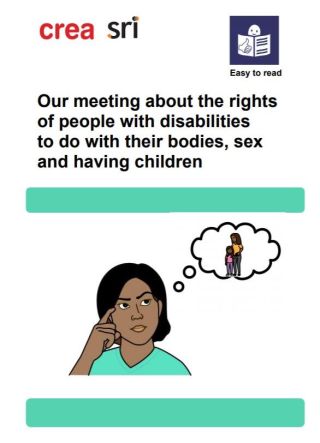
Recently, new marriage incentive schemes for women with disabilities have been introduced in India.
The Kathmandu Declaration was issued by over 200 sex workers and allies from Bangladesh, India, Nepal, Pakistan, and Sri Lanka, who gathered for renew: South Asia Sex Workers’ Summit from 29 to 31 May 2024 in Kathmandu, Nepal.

Malobika, co-founder of Sappho, on why queer struggles must be rooted in feminism
During the past year, we reassessed organisational policy, necessitated in part by our tremendous growth – from 34 employees in 2022 to 56 employees and several consultants who contributed significantly in 2023.
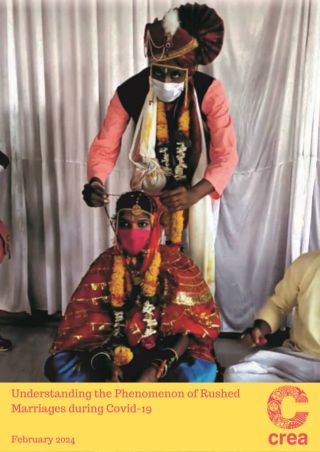
The Covid-19 pandemic and the ensuing lockdowns have had a devastating effect on communities and economies throughout the world.
The Disability, Legal Capacity and Rights brief takes a look at how laws and policies deny the agency and decisional autonomy of persons with disabilities based on presumptions around disabilities.
2022 has been a year of deepening partnerships and contributing to building resilient networks. Both consortia that CREA leads — Women Gaining Ground (WGG) and OVOF — expanded work in their second year.
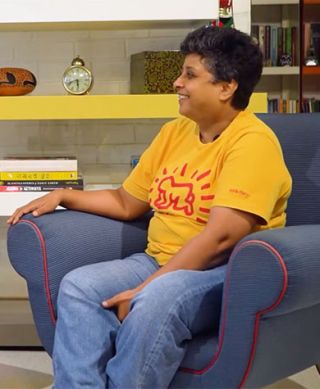
Sunita Kujur, former Senior Director, reflects on her 16 years at CREA
In the past year, CREA launched a new strategic plan, led two large consortia, planned a Center of Excellence for Gender and WASH, and established the first CREA fellowship.
When activists try to change people’s lives, or tackle the injustices that they face, we are actually trying to change power equations.
Feminist leadership is essential for transformation at the individual level, as well as organizations and movements, and has been one of CREA’s core strategies since its inception.
Feminist leadership is essential for transformation at the individual level, as well as organizations and movements, and has been one of CREA’s core strategies since its inception.

The senior advocate discusses the landmark judgment on the Priya Ramani defamation case
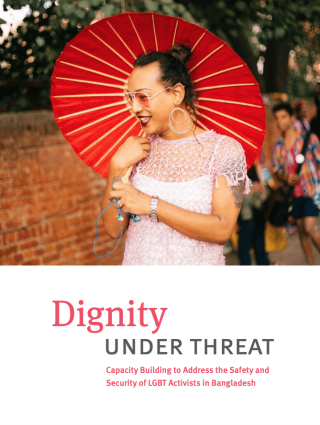
Capacity Building to Address the Safety and Security of LGBT Activists in Bangladesh
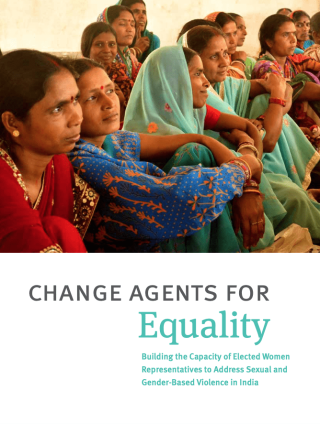
Building the Capacity of Elected Women Representatives to Address Sexual and Gender-Based Violence in India
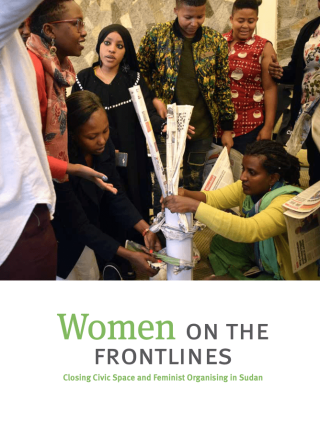
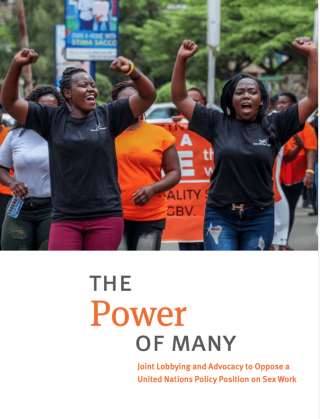
Joint Lobbying and Advocacy to Oppose a United Nations Policy Position on Sex Work
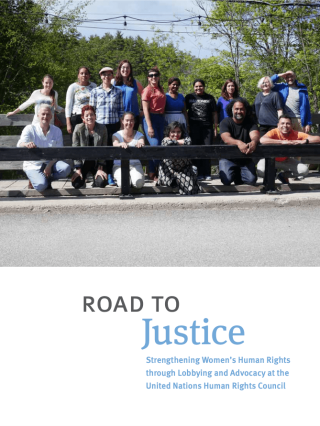
Strengthening Women’s Human Rights through Lobbying and Advocacy at the United Nations Human Rights Council
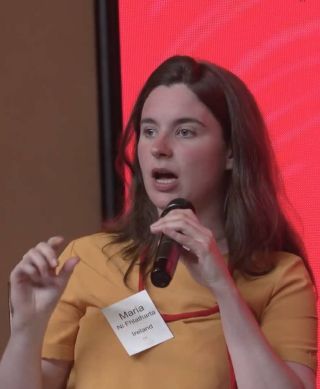
Maria Ni Fhlatharta from Ireland shares insights on feminist movements and legal reform
Research Study on Violence Against Marginalised Women in South Asia
A Critical Review of Selected Studies (1990-2000)
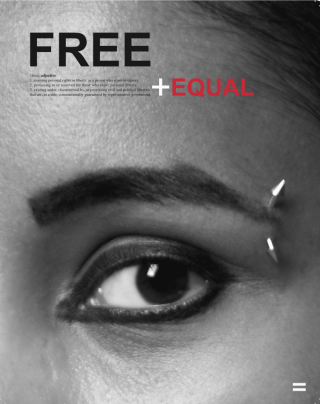
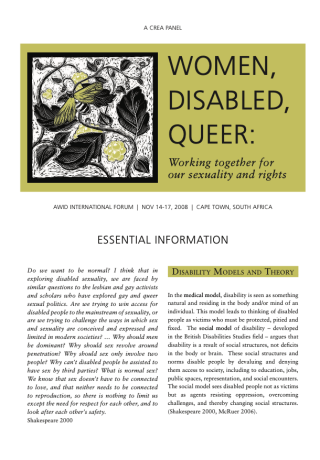
Tales of transgressors: sex workers who refuse shame, disabled women who refuse silence, lesbians who refuse invisibility, gender migrants who refuse categorisation or opt to choose their own.
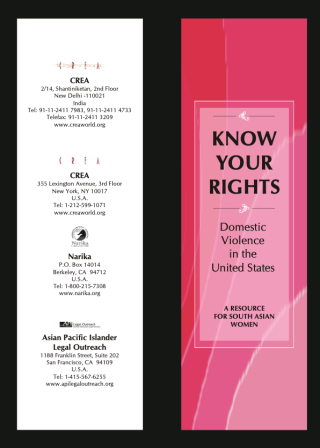
An English-language pamphlet on domestic violence outlining the rights of South Asians facing abuse.
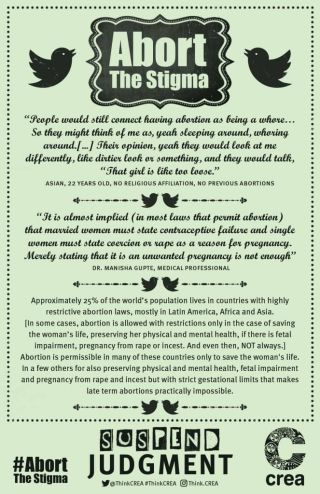
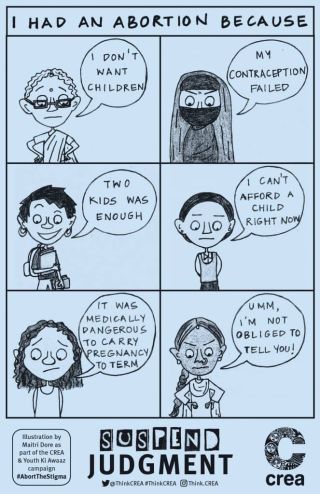
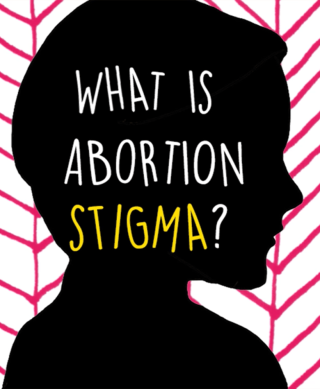
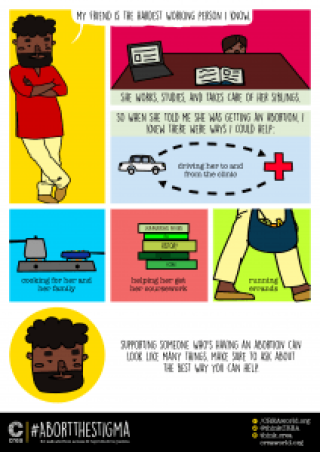
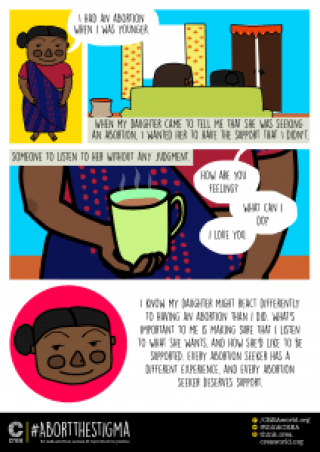
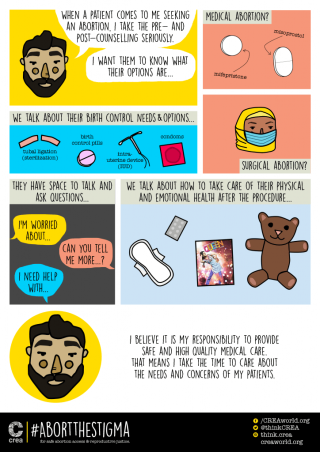
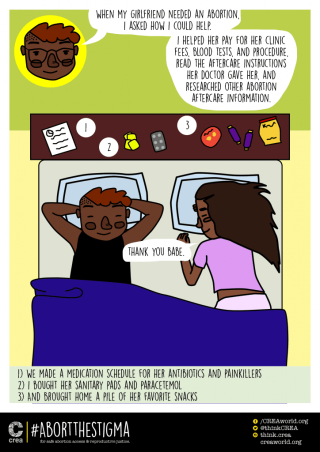
This toolkit draws on materials created as part of CREA’s #AbortTheStigma campaign, that seeks to normalize conversations around safe abortion.
Although human beings have always had sex, sexuality has has largely been ignored in the global discourse of human development.
This manual is a valuable asset for all women engaged in the task of constructing and inhabiting a world in which all of us can fulfill our best potential.
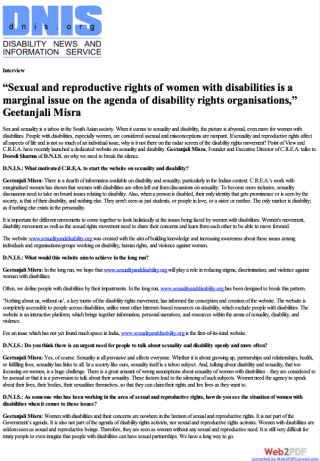
Sex and sexuality is a taboo in the South Asian society
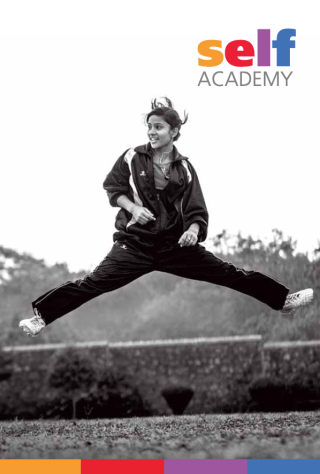
A residential 15 day leadership and skill-building academy for young girls in Jharkhand that uses sports, art, media and technology to help them realise their full potential.




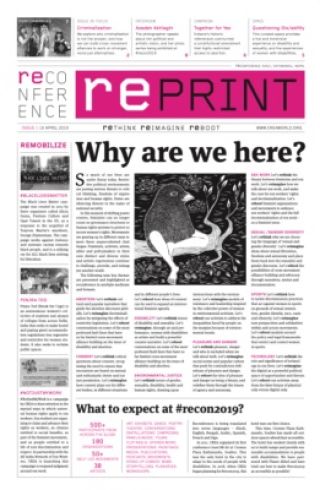
CREA has never shied away from big and difficult discussions, which is how we arrived at the bold idea for a global conference dedicated to rethinking, reimagining and rebooting our movements.
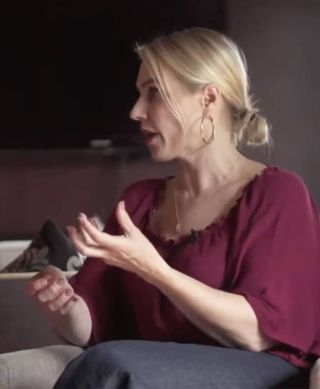
At recon 2019, Katrina Karkazi talks about her book, Testosterone: An Unauthorized Biography
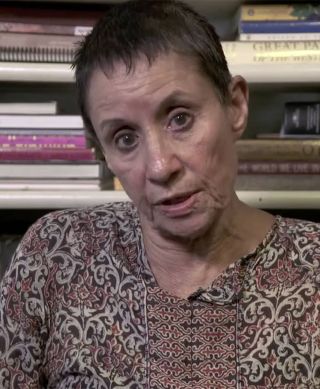
On advocacy strategies, decriminalization of abortion and SRHR for women with disabilities

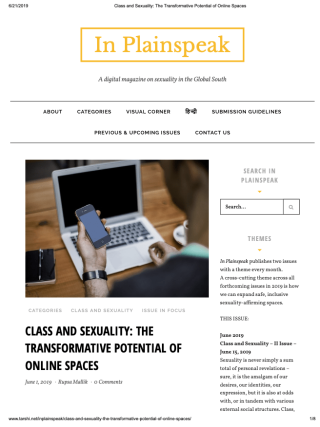
In this article I explore how information and communication technologies (ICTs) are blurring and redening subjective experiences of class and sexuality for adolescents and young people in India.
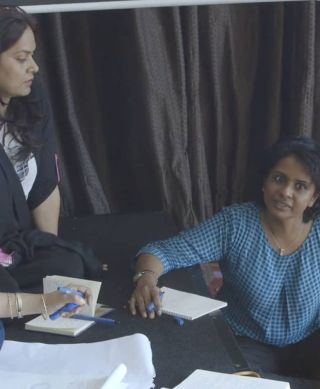
Activists discuss how medical systems stigmatise non-normative bodies and sexualities
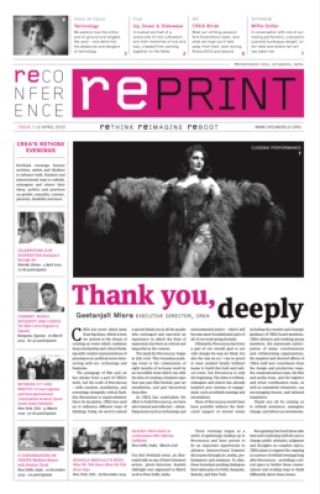
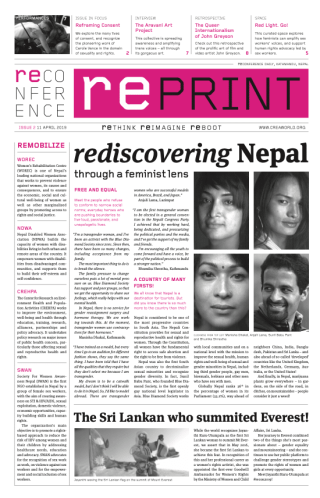
In March, we were invited by the UN Special Rapporteur on the Rights of Persons with Disabilities to present the Nairobi Principles to a UN Expert Group Meeting.
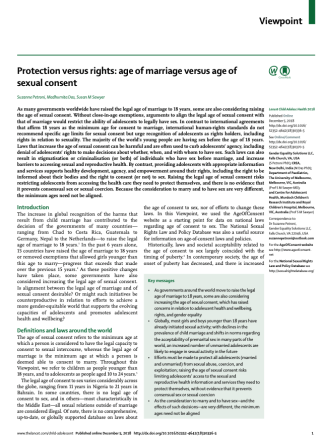
As many governments worldwide have raised the legal age of marriage to 18 years, some are also considering raising the age of sexual consent.
CREA is a part of an alliance of organisations called the Sexual Rights Initiative (SRI), which advocates at the UN Human Rights Council (UNHRC) and recommends amendments to draft resolutions.

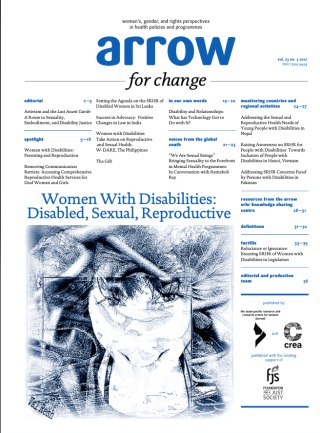
In popular culture, there is a tendency to idealise and naturalise parenting into a one-size-fitsall category, often accompanied by the image of a young, non-disabled woman as a parent.
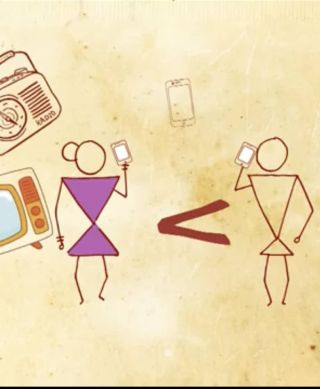
The Hindi infoline gives young people accessible knowledge on gender and sexuality
Renu Addlakha on an RHM issue that explores SRHR of people with disabilities
The targeting of NGOs and shrinking of civil society spaces has continued if not worsened in the last year and the trend is evident in all the regions that CREA works in (South Asia, East Africa and Middle East and North Africa).
On the 7th Feminist Leadership, Movement Building, and Rights Institute, Nairobi, 2016
A guest blog from Pooja Badarinath, CREA
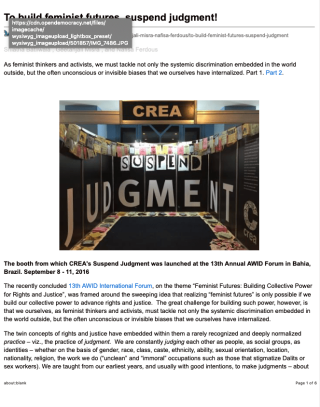
As feminist thinkers and activists, we must tackle not only the systemic discrimination embedded in the world outside, but the often unconscious or invisible biases that we ourselves have internalized.

CREA conducted the Sexuality Gender and Rights Alumni Institute (SGRI) in Istanbul, Turkey from 20-27 June 2015.
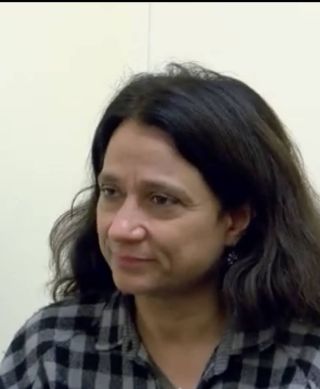
Executive Director Geetanjali Misra at a workshop in University College London, 2015
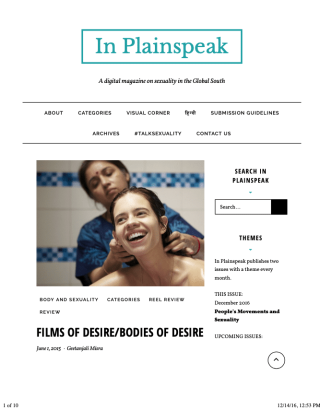
Bodies are central to human beings. And the way we experience our bodies is closely linked to how we experience desire.
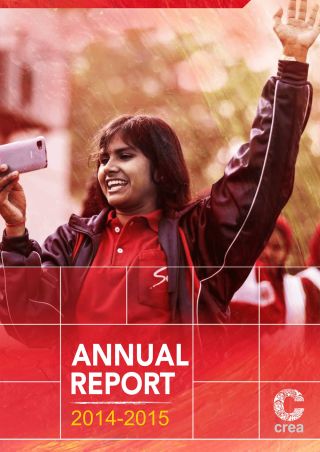
In 2014-15, CREA organised Institutes to further feminist leadership and to build understanding of activists and organisations working in conflict affected areas.
There is growing consensus that the "crisis of masculinity" needs to be addressed and the focus of interventions on issues of gender and sexuality has to broaden beyond women to include men and other genders.
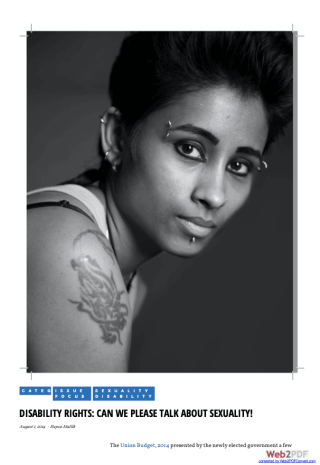
The Union Budget 2014 presented by the newly elected government a few weeks ago includes various provisions for disabled persons.
Providing Comprehensive Sexuality Education (CSE) remains one of the most contested and complex issues within the sexual and reproductive health and rights (SRHR) discourse.
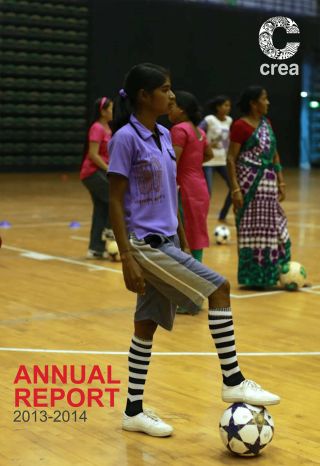
The Year 2013 – 2014 was a year of positive and constructive changes – to our initiatives, programmes, and partners!
In the international row over decriminalizing sex work, Geetanjali Misra takes issue with the online petition launched by the women's human rights organisation, Equality Now.
It has been 9 months since the iconic Delhi gang rape. Even as women’s groups struggle to retain the focus on violence against women, we must extend this focus to all women - especially women marginalised on the basis of their sexuality.
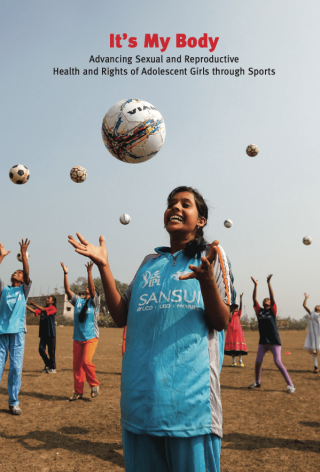
This is the fourth of a series of posts written from the experiences at CREA of implementing a program called “Count Me IN! It’s My Body: Advancing Sexual and Reproductive Health and Rights of Young Girls through Sports”.
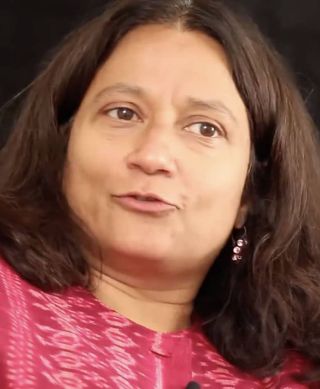
Geetanjali Misra discusses new ideas for LGBT philanthropy at the Salzburg Global Seminar
This is the third of a series of posts written from the experiences at CREA of implementing a program called “Count Me IN! It’s My Body: Advancing Sexual and Reproductive Health and Rights of Young Girls through Sports”
This is the second of a series of posts written from the experiences at CREA of implementing a program called “Count Me IN! It’s My Body: Advancing Sexual and Reproductive Health and Rights of Young Girls through Sports”.
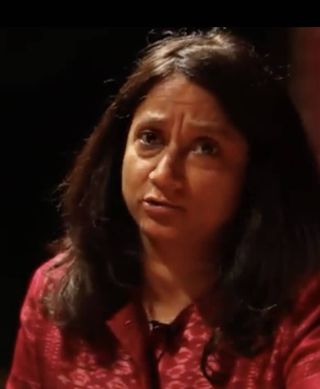
This is the first of a series of posts written from the experiences at CREA of implementing a program called “Count Me IN! It’s My Body: Advancing Sexual and Reproductive Health and Rights of Young Girls through Sports”.
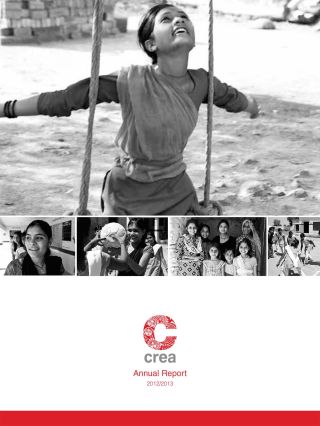
For CREA, the year 2012/13 brought in its stride new and innovative programmes, significant partnerships, and expansion of our networks.
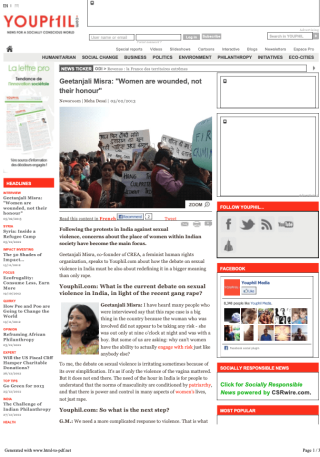
Following the protests in India against sexual violence, concerns about the place of women within Indian society have become the main focus.
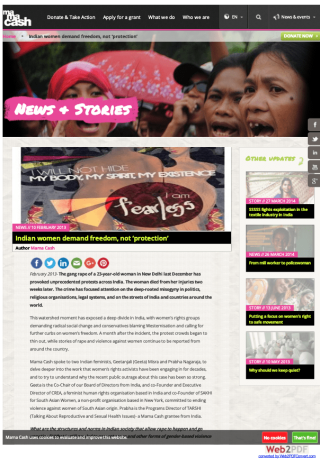
The gang rape of a 23-year-old woman in New Delhi last December has provoked unprecedented protests across India.
As CREA completes a decade of its existence, we have an opportunity to reflect on the past and plan for the future.
At the global level, increased political instability, conflict, economic, food and health crises, and structural poverty have impacted the work of all NGOs.
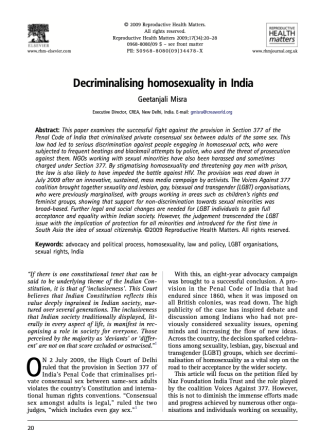
This paper examines the successful fight against the provision in Section 377 of the Penal Code of India that criminalised private consensual sex between adults of the same sex.
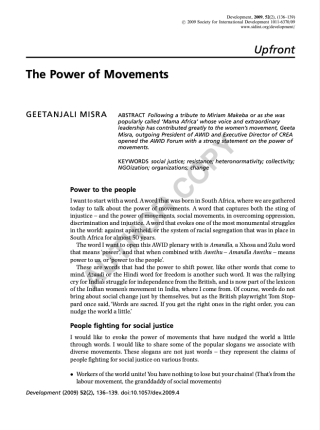
Everything we know tells us that what creates lasting change is the slow lasting power of movements, but that creating this change takes generations.
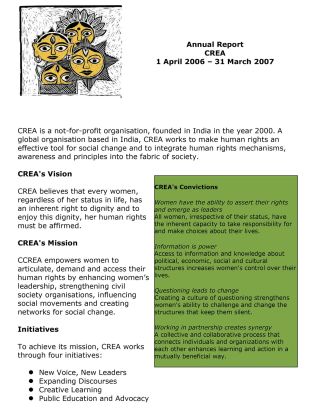
During 2008 and 2009, CREA built the leadership capacities of women in the global south and other marginalized people, advocated sexual rights at levels local to international and expanded discourses on women’s rights and sexual rights.
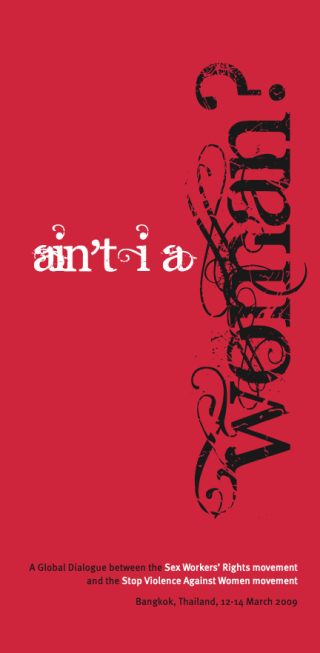
A Global Dialogue between the Sex Workers’ Rights movement and the Stop Violence Against Women movement
This publication is a part of CREA’s program initiative “Count Me In! Addressing Violence Against Marginalized Women in South Asia” supported by the Dutch Ministry’s MDG3 Fund.
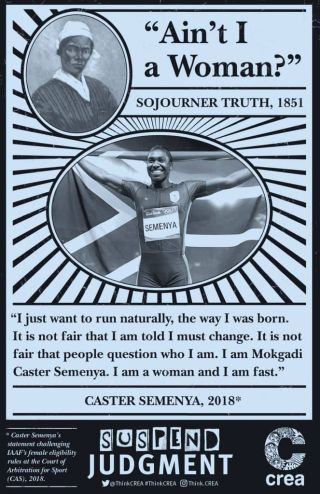
A Global Dialogue between the Sex Workers’ Rights movement and the Stop Violence Against Women movement
While pain and suffering are inevitable aspects of all conflict and violence, why do media representations focus only on these aspects? Why do we rarely see images of struggle and resistance?
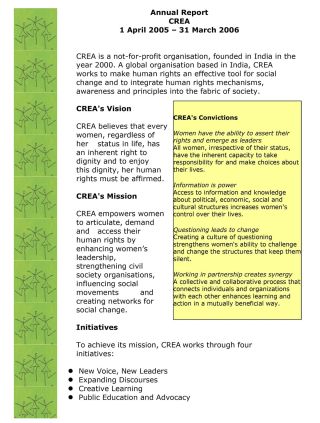
The fifth Sexuality and Rights Institute was conducted in January 2006 in Pune, India.
To parents, educationists, social scientists, public health specialists and perhaps to adolescents themselves, this period is an intriguing mix of vulnerability, and of agency
Strengthening Spaces - The Global Dialogue Series Working Paper 2
A group of 18 activists and advoacates from progressive movements participated in the three-day Conversations on Sexual Rights held at Manesar, Haryana in January 2004
This annotated bibliography lists studies carried out during 1990-2000 on Abortion in India as part of a series of annotated bibliographies on gender and women's reproductive health.
A Critical Review of Selected Studies (1990-2000)
A Critical Review of Selected Studies (1990-2000)
An Annotated Bibliography of Selected Studies (1990-2000)
An Annotated Bibliography of Selected Studies (1990-2000)
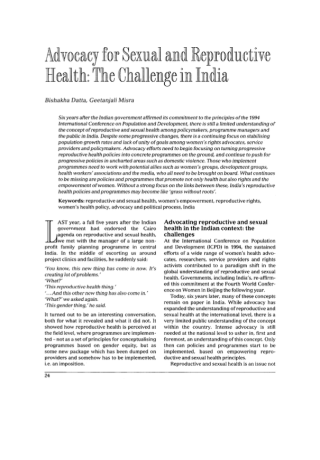
Six years after the Indian government affirmed its commitment to the principles of the 1994 International Conference on Population and Development, there is still a limited understanding of the concept of reproductive and sexual health among policymakers.
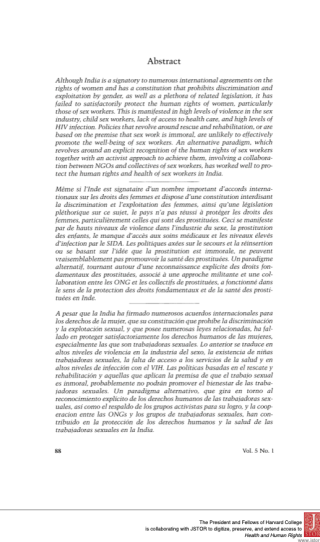
Although India is a signatory to numerous international agreements on the rights of women and has a constitution that prohibits discrimination and exploitation by gender, it has failed to satisfactorily protect the human rights of women