
sexuality + disability
sexuality + disability
our intersectional work with structurally excluded groups focuses on promoting sexual, reproductive, and disability rights and justice while preventing individual harms and tackling stigma and discrimination.

intro
We are a global feminist human rights organization, led by feminists from the global South. CREA builds feminist leadership, strengthens movements, challenges unjust power structures, expands sexual and reproductive freedoms and advances the human rights of structurally excluded women and girls, persons of diverse sexualities, genders and sex characteristics, sex workers, and persons with disabilities.
Our approach is based on centering disability within feminist conversations and practice. CREA works specifically with women, lesbian, bisexual, queer (LBQ), trans, non-binary and intersex persons with disabilities to advance sexual and reproductive rights and amplify their voices in key decision-making spaces.
As feminist allies to the disability rights movement, we strive to collaboratively shape spaces for reimagining the intersection of gender, disability, and rights. Our approach to these rights extends beyond addressing harm; we aim to emphasize joy and pleasure at the center of our efforts.
portfolio
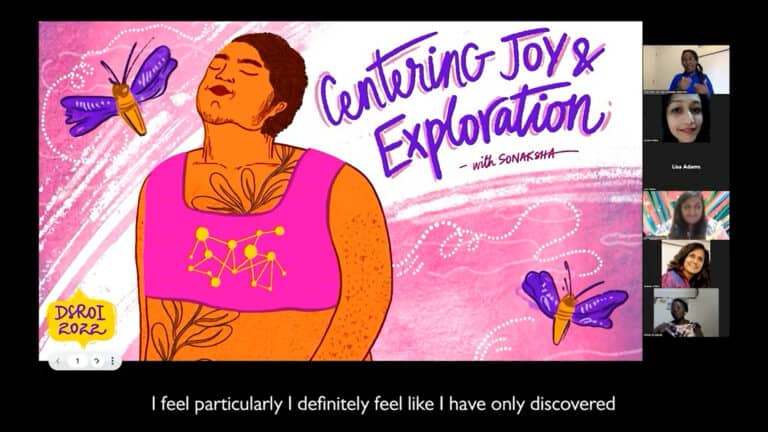
CREA's Disability, Sexuality, and Rights Online Institute (DSROI) is a yearly global event spearheaded by disabled activists and academics from the global South. DSROI delves into the intricate relationship between disability, gender, and sexuality, prioritizing perspectives from this region. Each year, DSROI brings together about 70 social justice activists from varied geographic locations and movement backgrounds.
In January 2022, CREA invited six activists and artists to join its Create Initiative, to generate a deeper understanding of and connections between sexual and gender diversity, intersex rights, disability work and movements, particularly from a global South perspective by supporting the production of knowledge, art and storytelling.
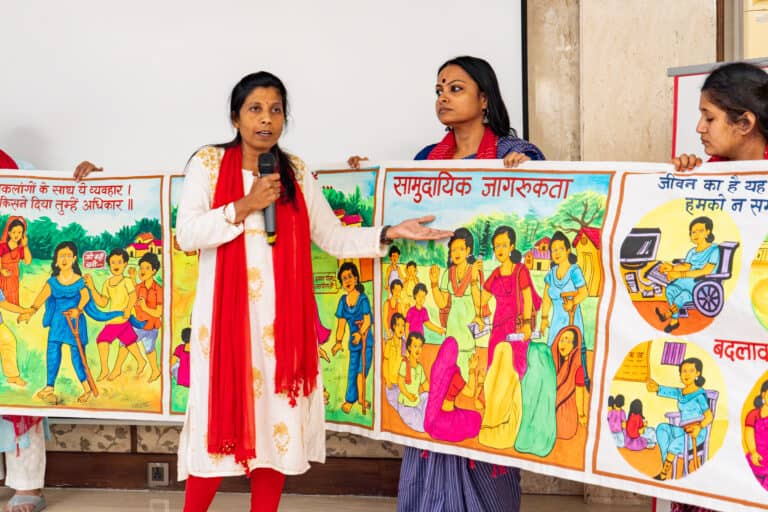
For more than 15 years, CREA has worked to advance the rights of persons with disabilities who experience intersectional exclusion based on their gender and sexuality. We strengthen cross-movement collaboration and dialogue between the disability rights movement and the SRHR movement to enable transformative disability justice. Through the 'Closing the Gap' program, we worked to enhance institutional capabilities to address sexuality and disability in India, Nepal, Kenya, and Uganda.





solidarity
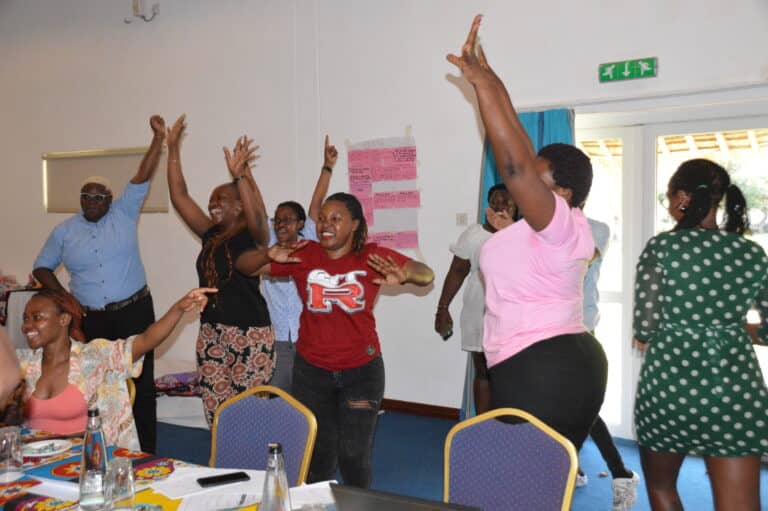
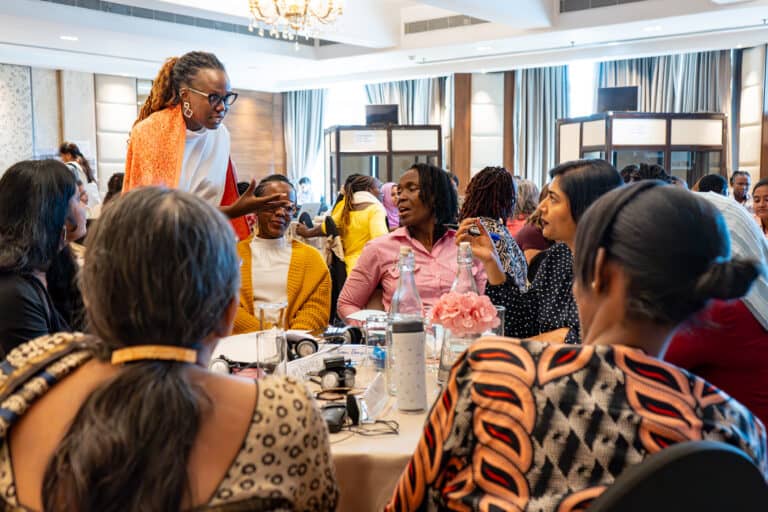
Women Gaining Ground (WGG) is a consortium of three organizations, including CREA, Akili Dada, and IWRAW, working across South Asia and East Africa. It aims to build capacity and transformative leadership for young women and girls, particularly women with disabilities, to address sexual and gender-based violence and increase women’s political participation and in all spheres of their lives. WGG has initiated capacity-building sessions, advocacy, and learning sessions on international treaties, including the Convention on the Elimination of All Forms of Discrimination Against Women (CEDAW) and the Convention on the Rights of Persons with Disabilities (CRPD).
The Count Me In! consortium, led by Mama Cash, is a strategic partner of the Dutch Ministry of Foreign Affairs. Member organizations include CREA, AWID, JASS, and UAF-Africa, and strategic partners Red Umbrella Fund and WO=MEN. The consortium aims for a gender-equal, just world where all women, girls, and non- binary individuals enjoy their rights. It supports advocacy for the prevention and elimination of gender-based violence (GBV), economic justice, and sustainable resourcing of women's rights and organizations.
Held in Kathmandu, Nepal in 2019, reconference brought together over 700 activists, artists and allies from 63 countries for a three-day conference that combined deep scholarship and critical thinking alongside creative representation of pressing socio-political issues intersecting with art, technology and feminism. The global feminist expo aimed to rethink gender, sexuality, disability, sex worker rights; reimagine vision and journeys of change that are more inclusive, creative and rights-affirming; and reboot feminist practice to be more collaborative, cross-movement and intersectional.
knowledge
Resource
Nairobi Principles
on Abortion, Prenatal Testing and Disability
In October 2018, CREA convened a Global Dialogue on Abortion, Prenatal Testing and Disability in Nairobi, Kenya, bringing together feminist organizations, organizations of women with disabilities and organizations supporting sexual and reproductive health and rights (SRHR) from different contexts and regions.
These international experts came together in recognition of the human rights violations women, and in particular women with disabilities, face when exercising SRHR and to reaffirm the growing need for dialogue around the intersection of SRHR and disability.
Resource
Disability, Marriage and Rights
Recently, new marriage incentive schemes for women with disabilities have been introduced in India.
While marriage continues to be critiqued for its patriarchal structure and exclusionary character for many structurally excluded communities, it still serves as the socially accepted means of accessing sexuality. For disability rights activists and feminist human rights advocates, the consistent review and analysis of state interventions in disability and sexuality rights with a critical eye is vital. What are the implications for women with disabilities in India from marriage incentive schemes? How do we look at it from a disability rights and feminist perspective? How does the state's incentivization of marriage for women with disabilities intersect with notions of governing sexuality?
Shampa Sengupta and her team, with support of CREA, took up this task through their 2019 qualitative research on marriage incentive schemes implemented in two Indian states (Kerala and Bihar). The ‘Disability, Marriage and Rights’ brief presents the key findings of the study and examines debates around marriage, its place in the lives of women with disabilities, and whether the state should have a role in incentivizing marriage and linking rights and benefits to it.
If you are an activist interested in gender and disability rights mainstreaming, if you are a researcher working towards complicating your understanding of disability rights inclusion, if you are a policy analyst working on reviewing and providing feedback for state schemes, if you are a curious learner who would like to work towards an intersectional feminist future, - we assure you, reading this brief would benefit you!
The publication is available also in Hindi and Bangla.
Resource
Disability, Legal Capacity, and Rights
The Disability, Legal Capacity and Rights brief takes a look at how laws and policies deny the agency and decisional autonomy of persons with disabilities based on presumptions around disabilities, and specifically the perceived inability of persons with disabilities to make decisions, particularly among persons with multiple and psychosocial disabilities.
The briefing paper aims to unpack why engaging with legal capacity is key for inclusive movement building. The brief features research insights from qualitative research conducted by Jeeja Ghosh, a gender and disability rights activist, on the experiences around decision-making of persons with multiple and psychosocial disabilities.
Resource
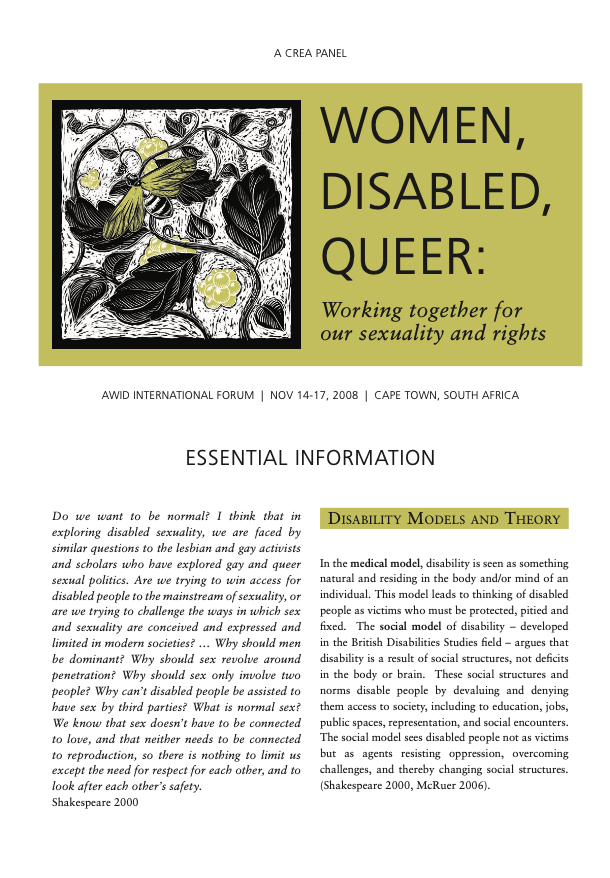
Women, Disabled and Queer
Working together for our sexuality and rights
Support our vision of a just and peaceful world, where everyone realizes their autonomy, dignity, and equality.
Join us in creating lasting impact!
crea x t brand studio
Supporting resources for Disability, Sexuality and Consent: How Activists Are Reshaping the Narrative
activists
Editor's picks
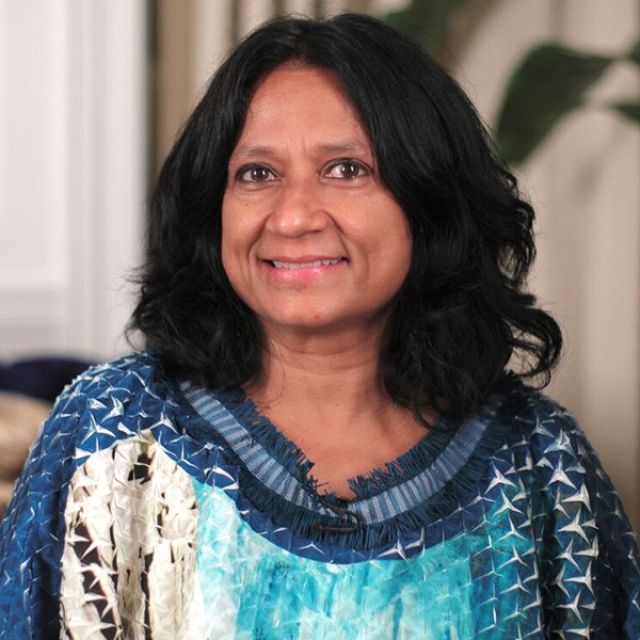
Geetanjali Misra
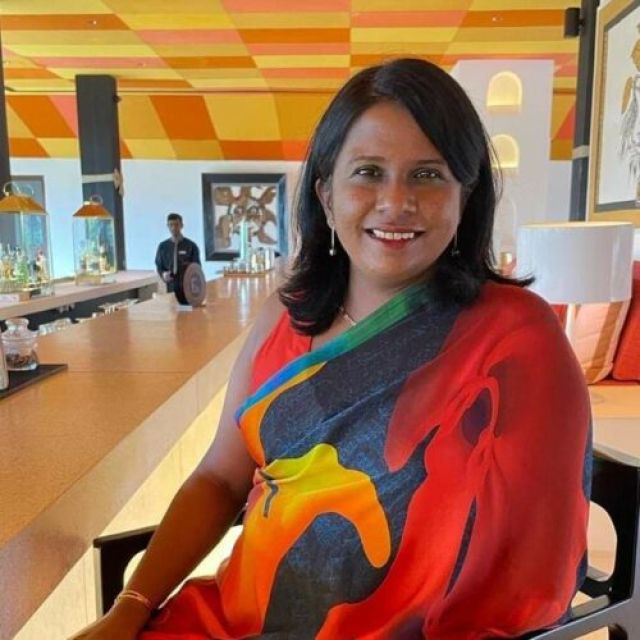
Niluka Gunawardena
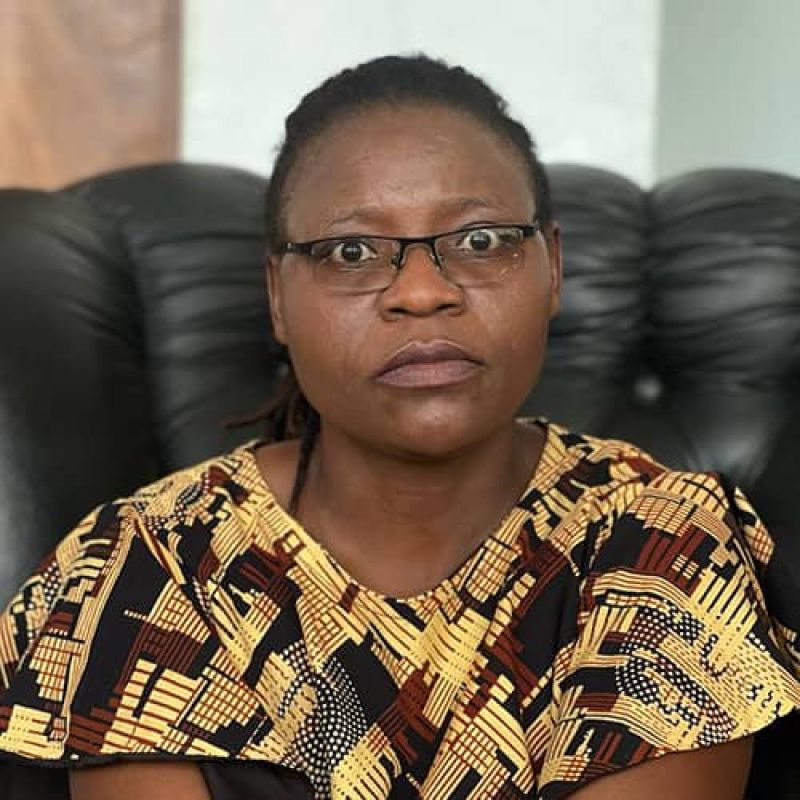
Agness Chindimba
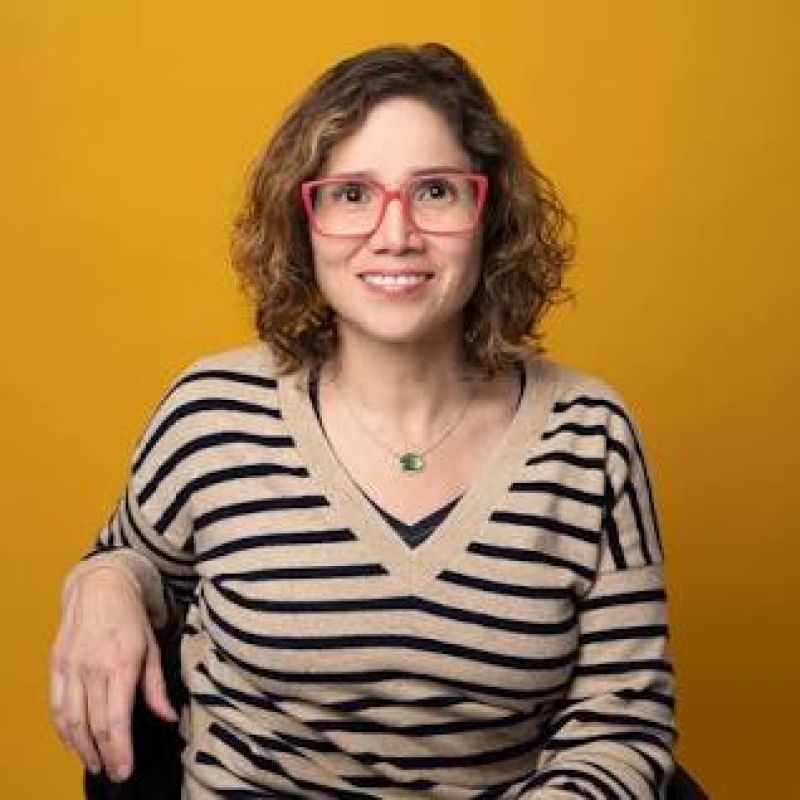
Catalina Devandas
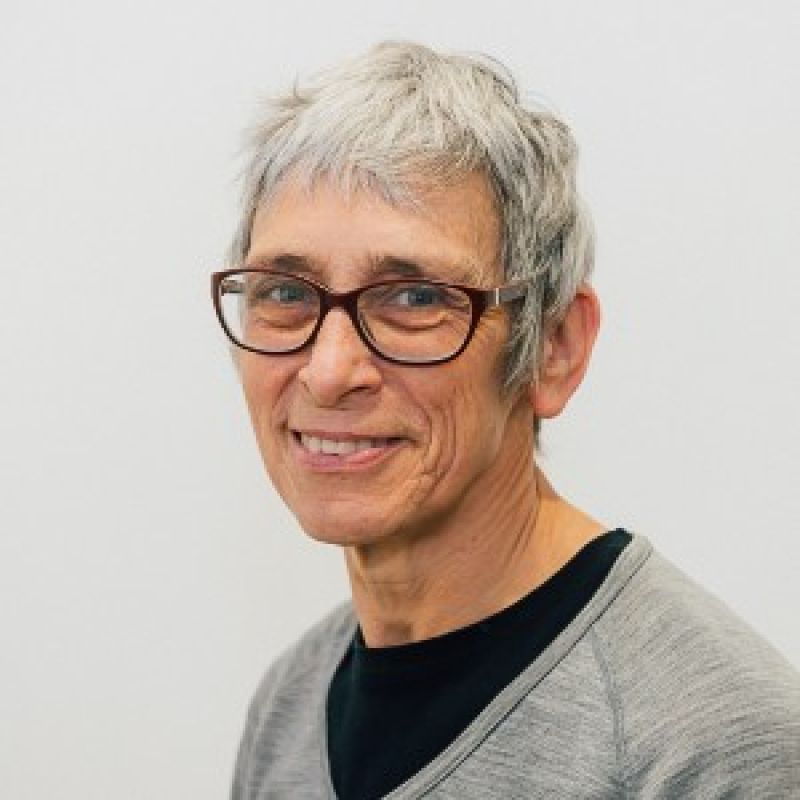
Janet Price
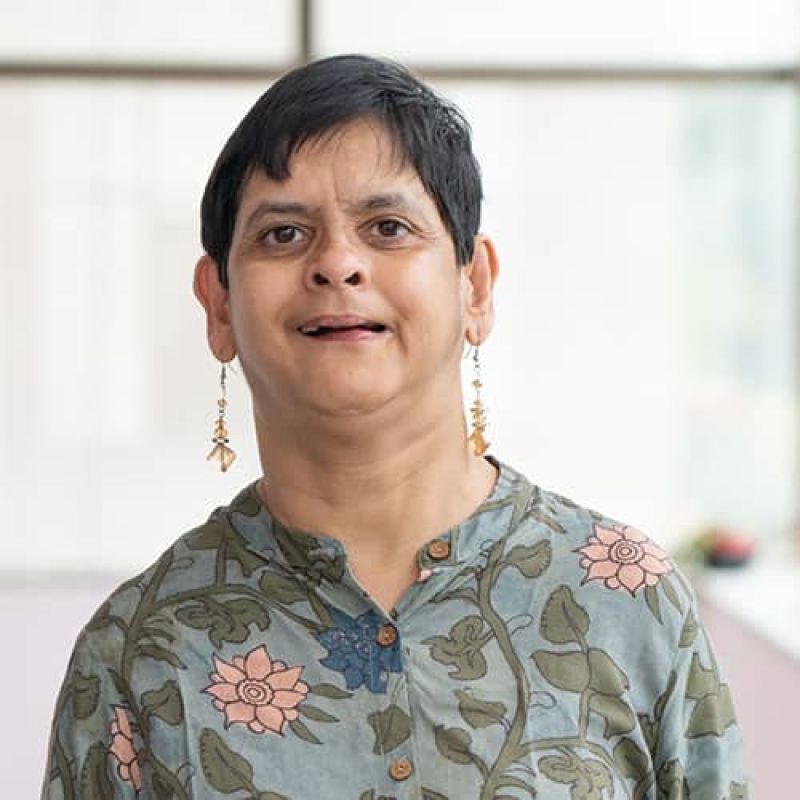
Jeeja Ghosh
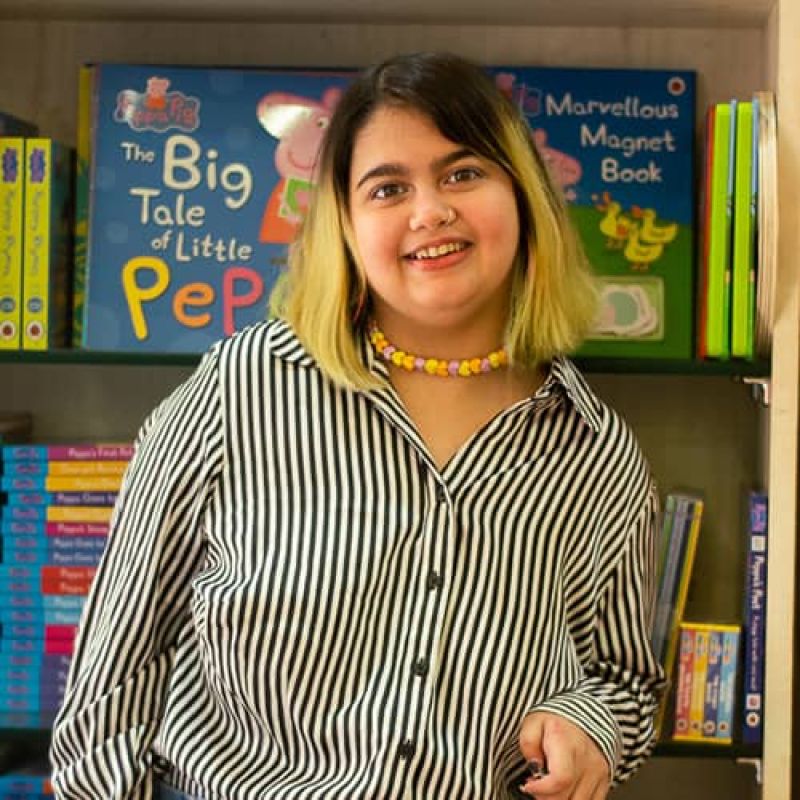
Nu
activists
Editor's picks
Bidhata KC

Kim Kaul
Manasi B
Nancy Willis
Pavan Buragohain