

saywlm - feminist leadership & movements
saywlm
(South Asia Young Women’s Leadership and Mentoring)
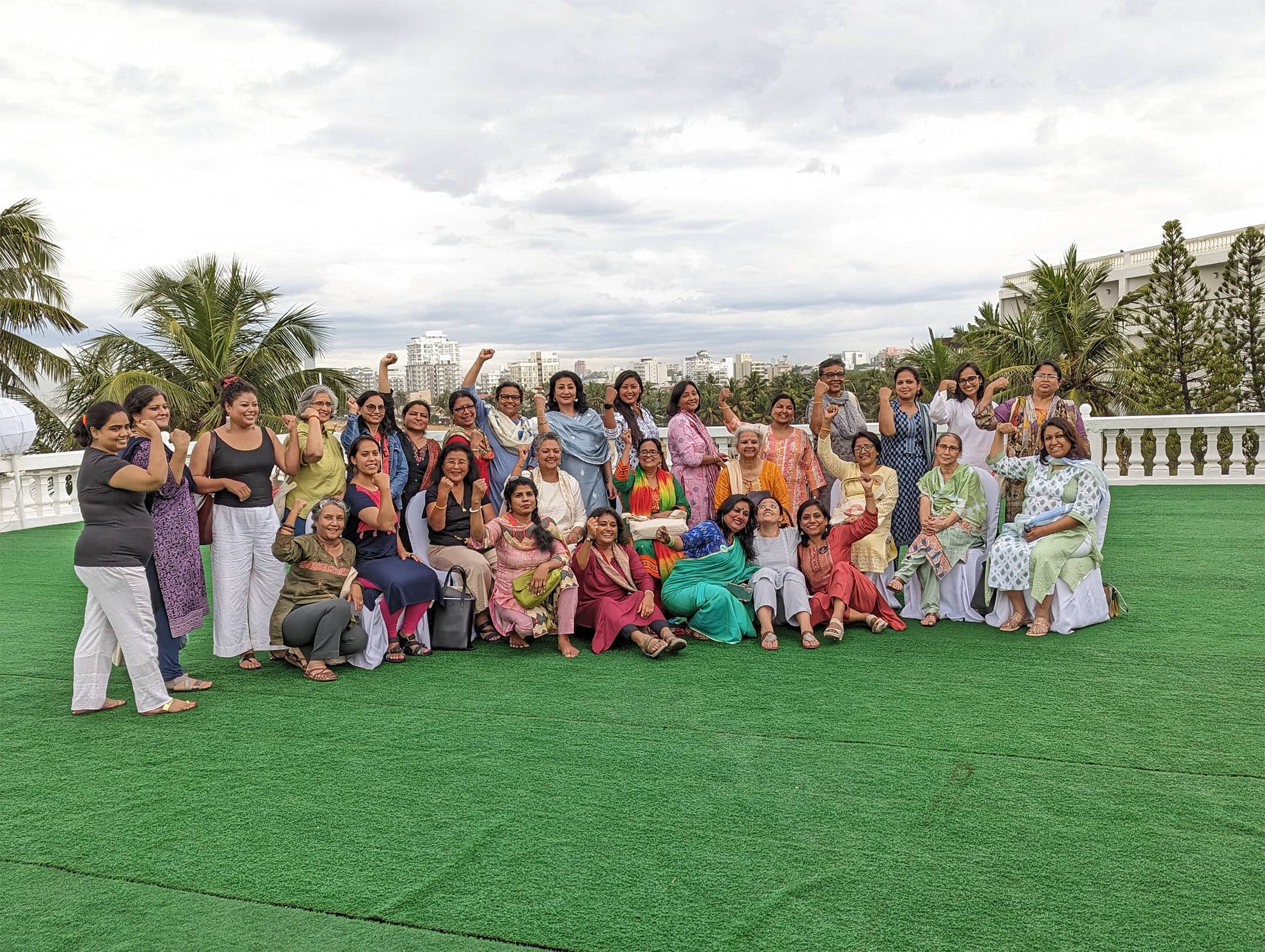
I have learned how to communicate with the community, how to represent myself and so much about feminism.… I have met all the beautiful women through this project, learned a lot of things, shared my sorrows, heard others’ stories. Now I can practice feminism in my field and of course achieve much more in my own life. A Young Woman Leader | Bangladesh
As part of our work to facilitate and strengthen supportive networks for young women leaders (YWLs) in the global South, CREA established the SAYWLM (South Asia Young Women’s Leadership and Mentoring) program in 2017. SAYWLM was conceived to reinforce and sustain feminist organizations and the overall feminist movement by building cadres of young feminist leaders as strategic visionaries and change leaders.
CREA established the SAYWLM (South Asia Young Women’s Leadership and Mentoring) program in 2017 with the goal of building cadres of young feminist leaders who will sustain feminist organizations and the overall feminist movement.
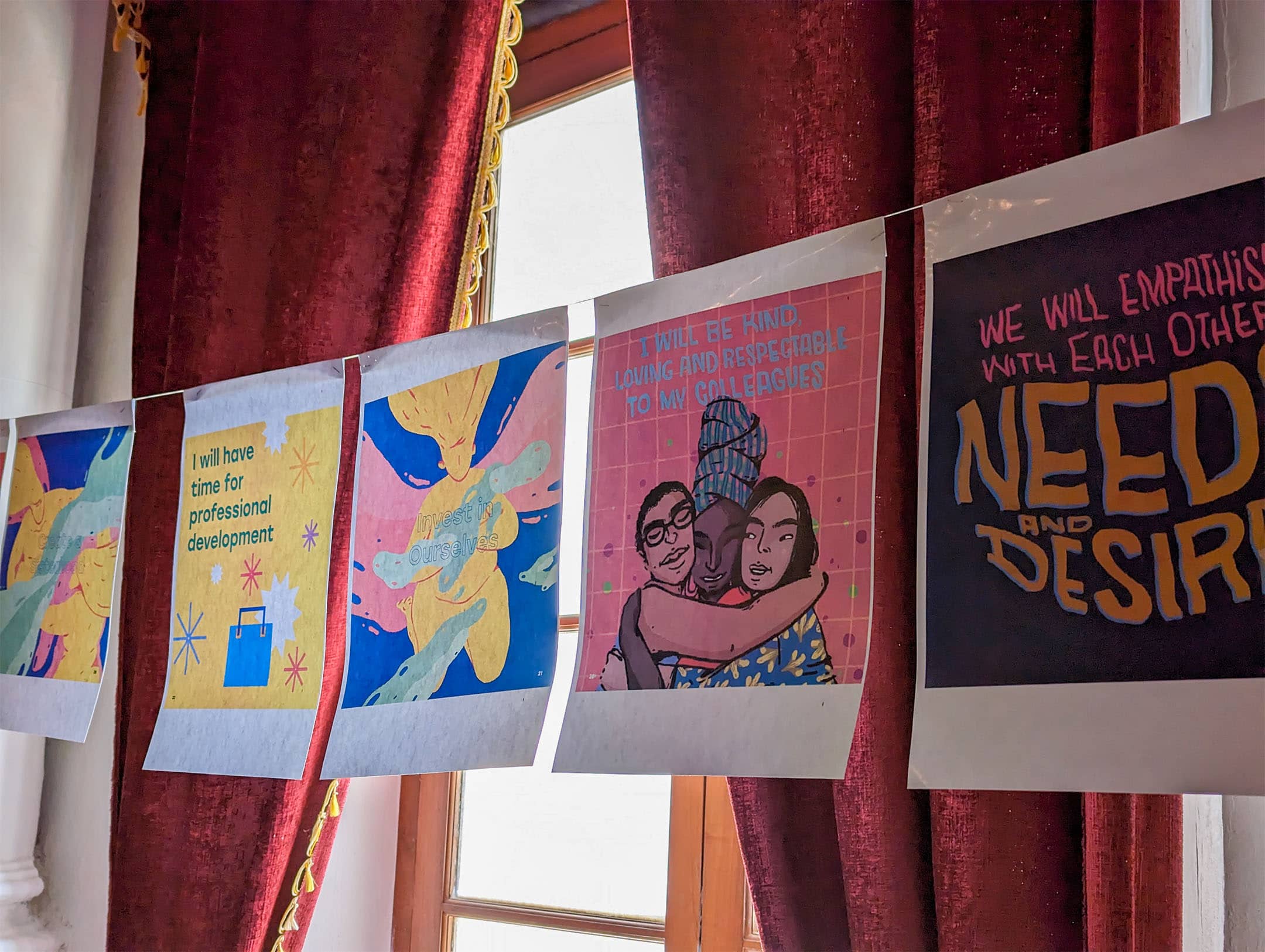
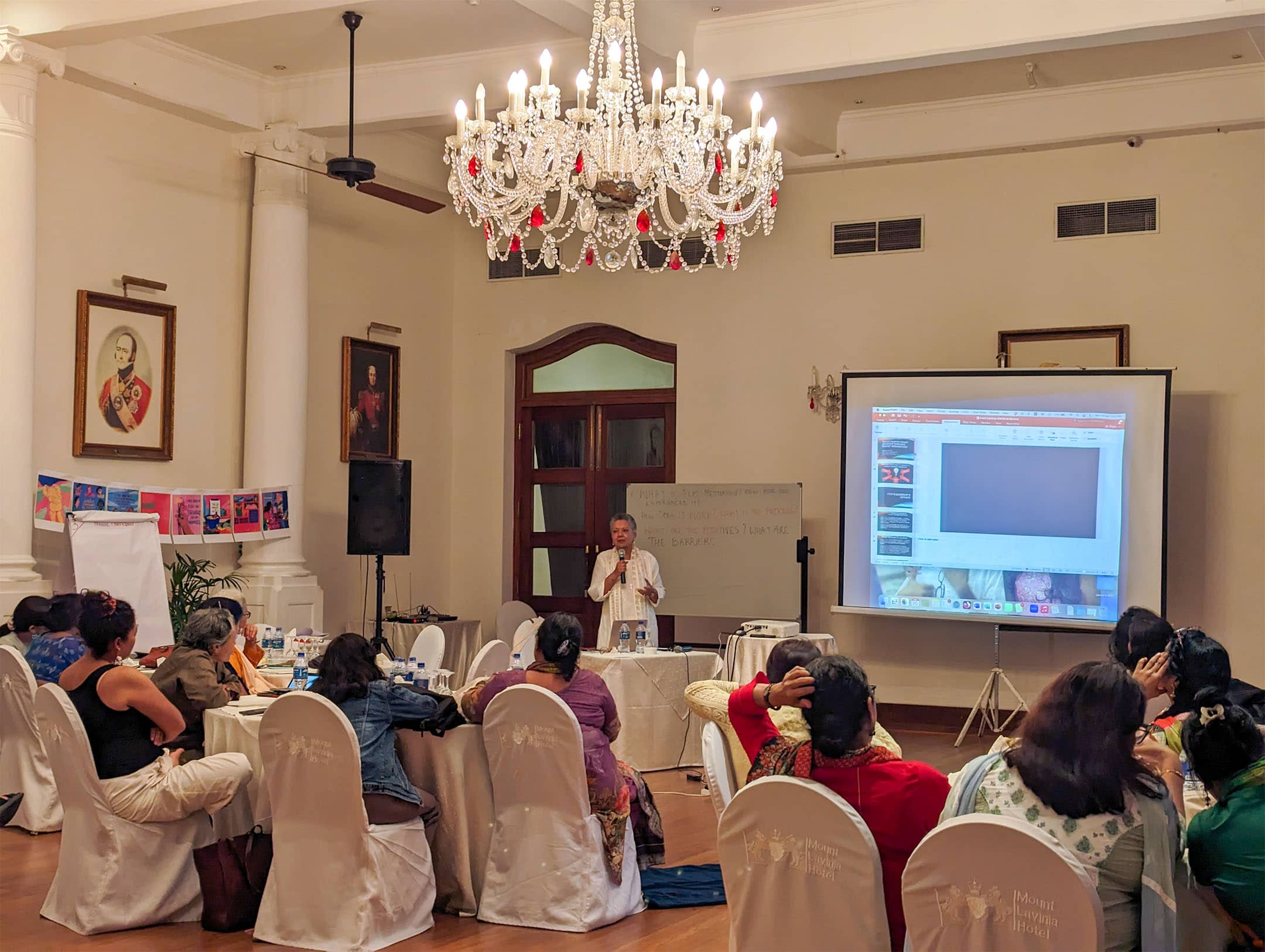
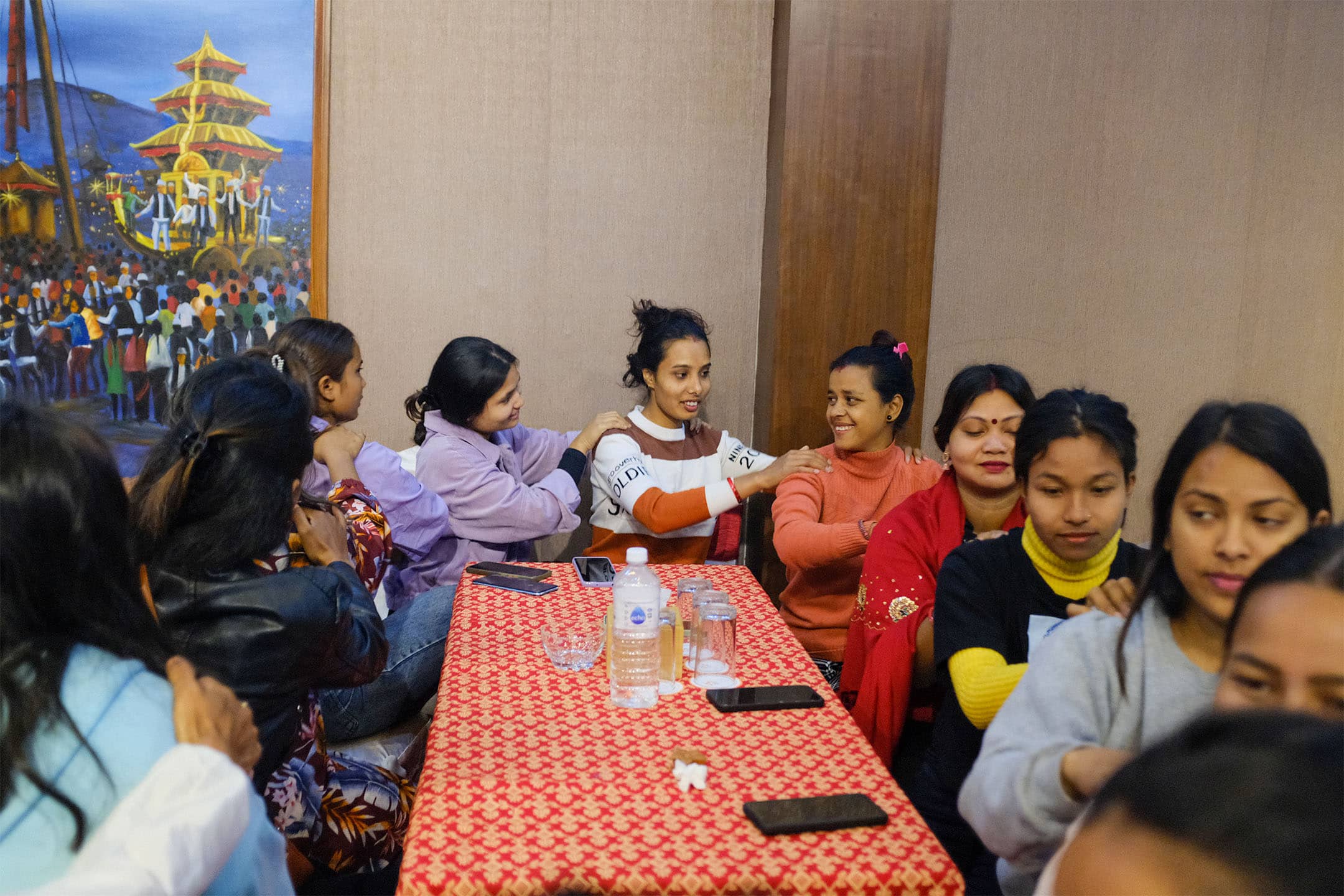
Through this program, 30 young women leaders (YWLs) working in 30 organizations in India, Bangladesh and Nepal, build their skills. Each YWL in turn supports the leadership of at least 10 young women in their communities. This unique model of structured feminist mentoring emphasizes alternative models of leadership in a safe space when YWLs can experiment with their own use of power, reflect on their feminist journey and further their vision of change for their organizations, movements and communities.
These young leaders have been equipped with skills such as clarity of thought, effective communication and public speaking, and mobilization skills. They also engage actors and constituencies in a wide range of public campaigns, community mobilization, dialogues and interventions. YWLs explore and innovate in both the theory and practice of feminist mentoring. Partner organizations receive a small fund to support a new movement-building initiative on the gaps the YWLs have identified in their organization’s work or approach.
Through SAYWLM, CREA has published new resources for grassroot activists:
- All About Power and All About Movements, primers on understanding how power operates in society and why movements matter.
- Feminist Mentoring for Feminist Futures, a three-part guide detailing our journey in feminist mentoring through the stories of SAYWLM’s mentors and mentees who share their challenges and triumphs.
Resource
All About Power
Understanding Social Power & Power Structures
Primer 1 in CREA’s Feminist Leadership for Social Transformation series
Released for the first time at #recon2019, All About Power: Understanding Social Power and Power Structures is an essential primer for activists who want to explore how power impacts their work in order to design strategies from a more comprehensive, shared definition and analysis of power as it operates in society.
The new publication, by feminist activist, trainer, and scholar Srilatha Batliwala, recognizes that concepts like power are abstract and that we each understand power in our own way. At the same time, understanding power in its many forms is critical to achieving social change, regardless of our specific areas of work, constituencies or geographic location.
The publication structures the approach to understanding power through five core questions – providing a framework for approaching the complex concept, defining key sources of power, and analyzing how it operates, in order to effectively challenge the power structures which perpetuate injustices, inequalities and marginalization.
Resource
All About Movements
The greatest changes the world has seen towards greater justice, equity and inclusion have been the result of movements - the struggles of disempowered people or simply caring, passionate people, to build a better world.
Think about the abolition of slavery, the amazing body of human rights treaties and conventions we have today, the control and regulation of nuclear weapons, or the efforts to save the planet from climate disaster, to ensure food and livelihood security for all people, and to end violence and discrimination against women and all gender non-conforming people. All these changes — in internalized attitudes, in our policies and laws, in our social norms — were achieved because people, especially the most affected, mobilized, re-visioned justice, and built strong movements to achieve these goals.
With increasing NGO-ization, however, movement building is becoming a lost art in many parts of the world. This primer is intended to help us renew and regenerate the movement-building approach, especially the feminist movement building approach, to achieve a deeper and more sustainable transformation of our societies.
The primer builds on concepts shared in CREA's earlier primer, "All About Power", and thoughtfully and clearly answers some critical questions such as what is a movement and why do movements — and feminist movements — matter, how do we build movements, and how do we assess their growth and impact? The answers to these questions translate into action guidelines for all those wanting to explore, understand, and use the movement-building approach in their work.
Resource
Feminist Mentoring For Feminist Futures – Part 1
Feminist leadership is essential for transformation at the individual level, as well as organizations and movements, and has been one of CREA’s core strategies since its inception.
However, translating feminist leadership from concept to practice is a challenging task. The work of undoing and rebuilding systemic and internalized models of power and leadership requires structured and ongoing support — namely, feminist mentoring.
In 2016, CREA and Global Fund for Women designed the SAYWLM (South Asia Young Women’s Leadership and Mentoring) initiative to build a cadre of young feminist leaders and movement builders through a process of systematic mentoring. This initiative’s theory and practice of feminist mentoring breaks traditional models of mentoring that often do not interrogate patriarchal power structures — including in the mentoring relationship itself — and pioneered a model that centers and performs feminist values in the mentoring context. It also demonstrated the vital role that mentoring can play in strengthening feminist leadership in practice.
Based on the learning from this initiative, the three-part guide ‘Feminist Mentoring for Feminist Futures’ was developed to support others who wish to explore the feminist mentoring pathway. The guide explores the theory and practice of feminist mentoring and its impact on both Mentors and young women leaders.