
Sexuality and Disability Rights - collective resilience
Sexuality and Disability Rights
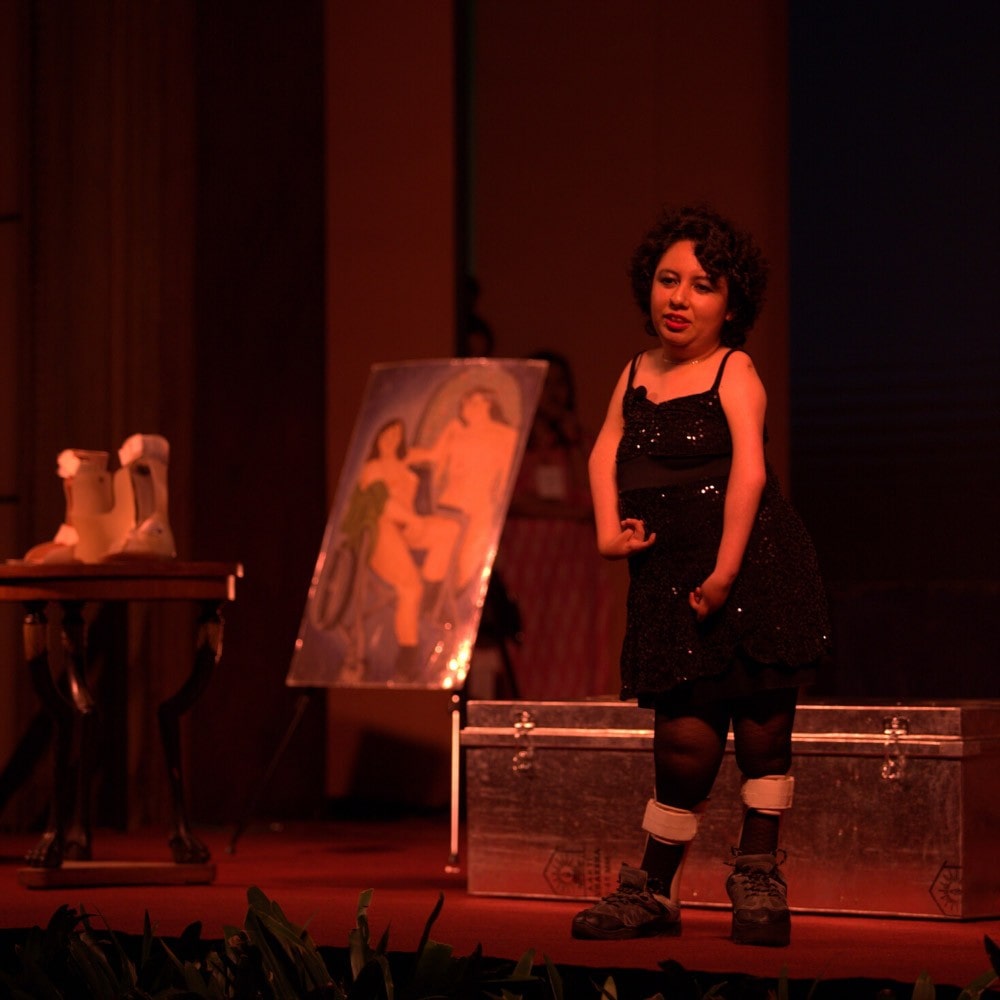
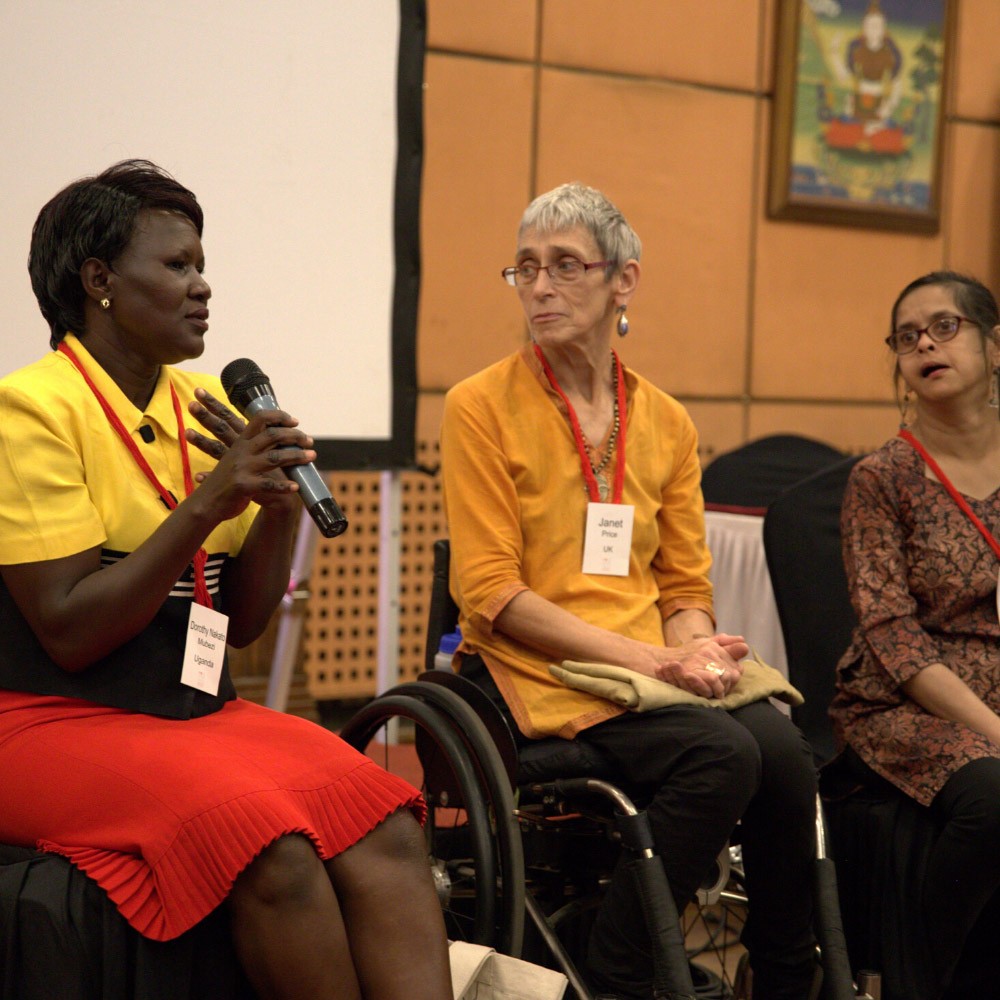
Disability justice is markedly different from disability rights – it focuses on cross-movement organizing, solidarity, collective access, collective liberation, and centering the voices of the most marginalized. Rebecca Cokley | Center for American Progress at CREA’s Global Dialogue on Abortion, Prenatal Testing and Disability held in 2018
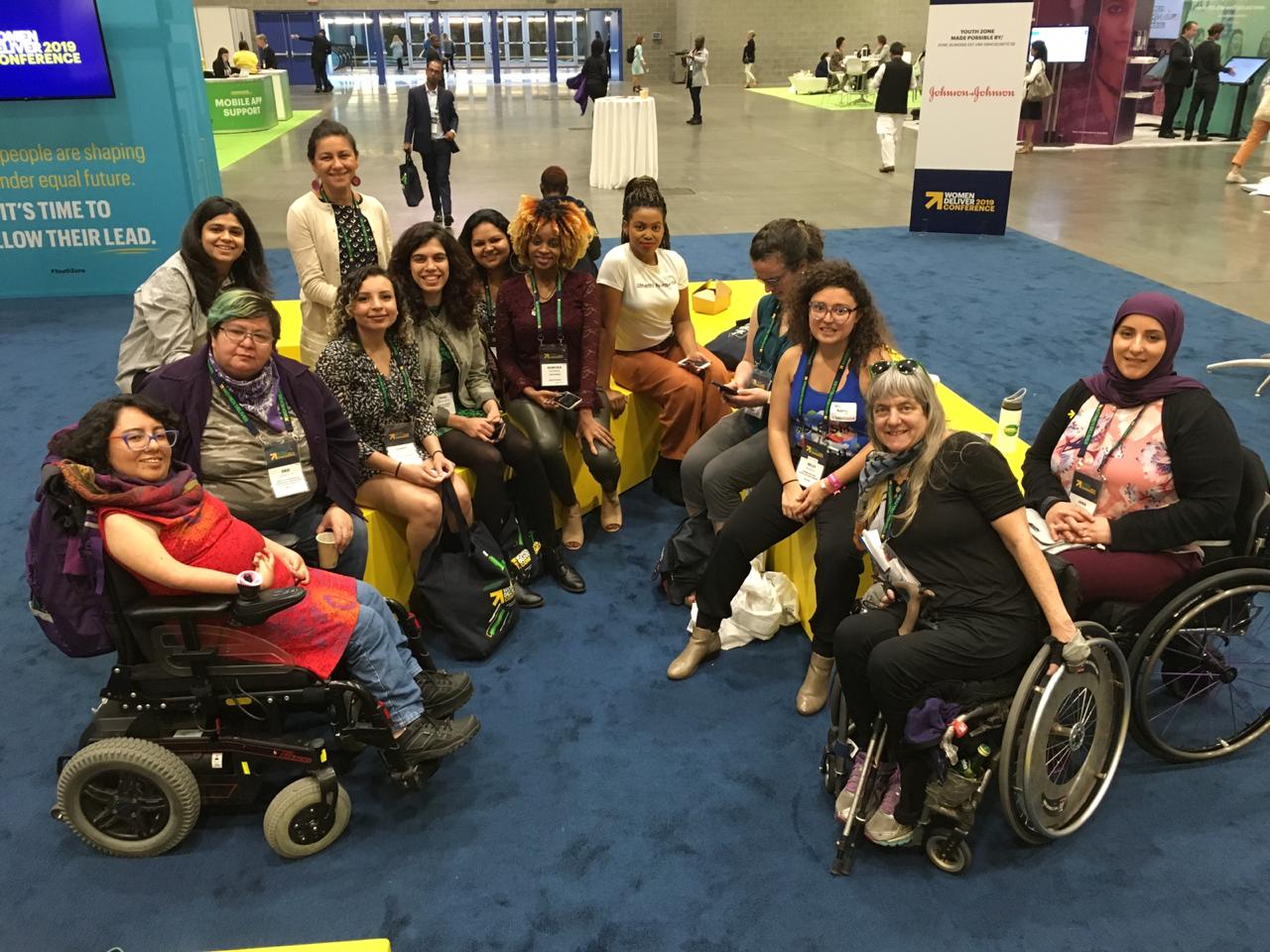
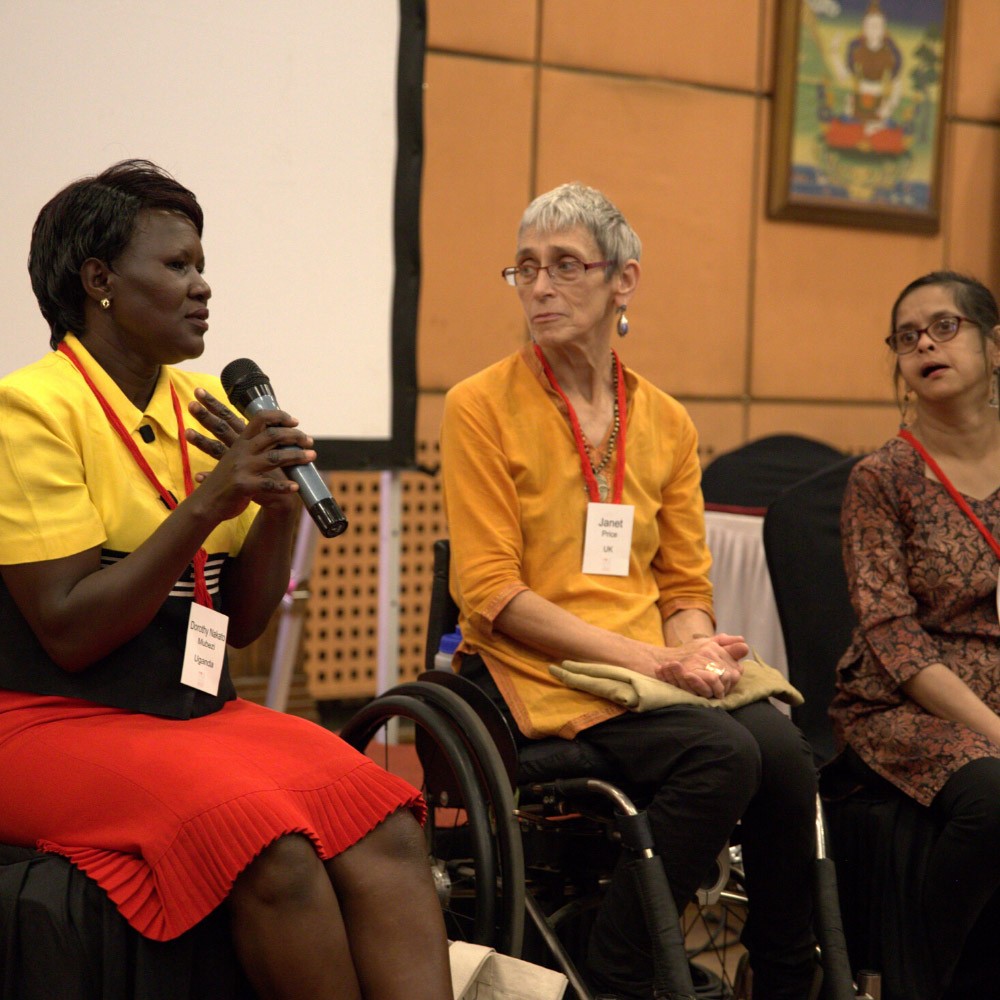
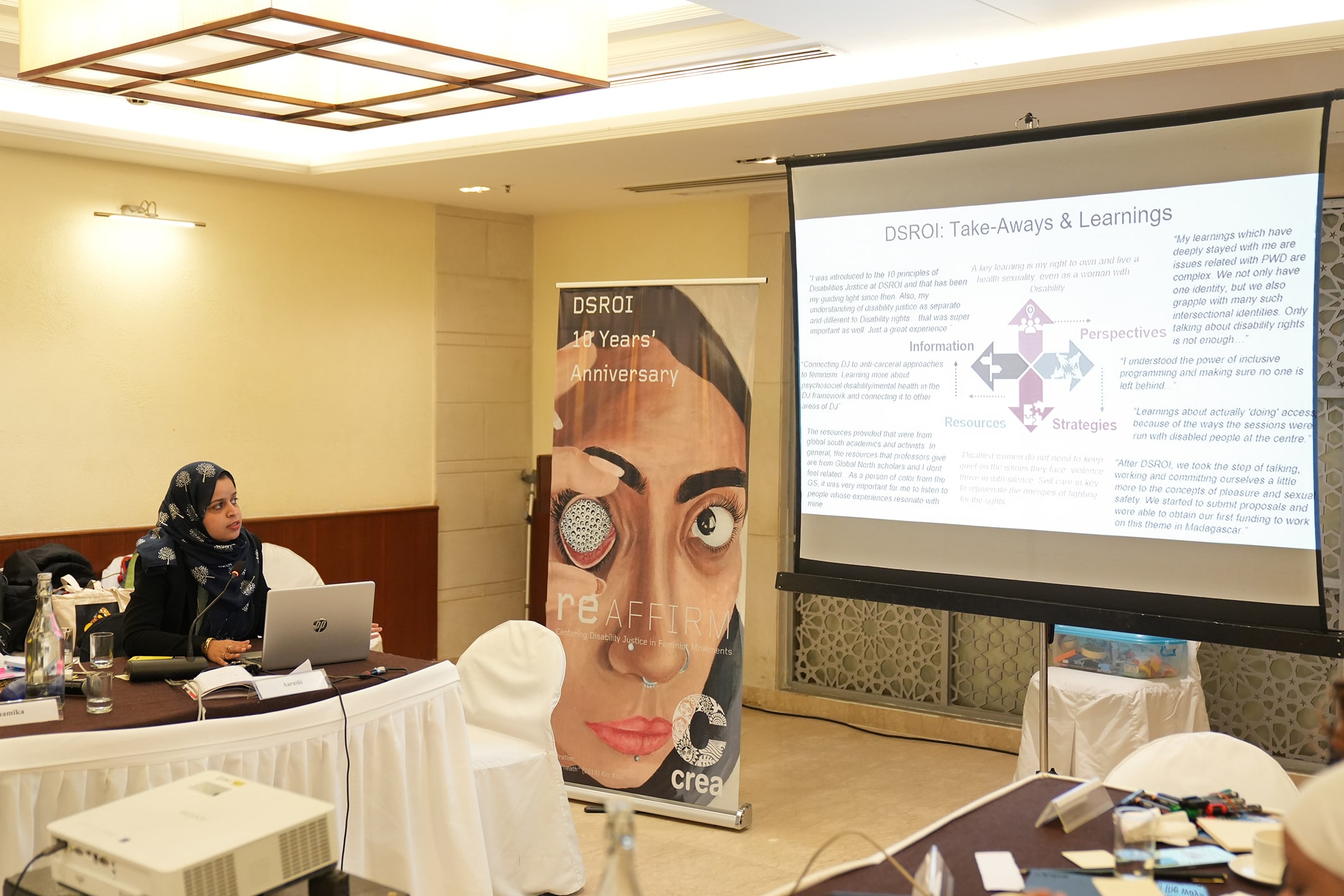
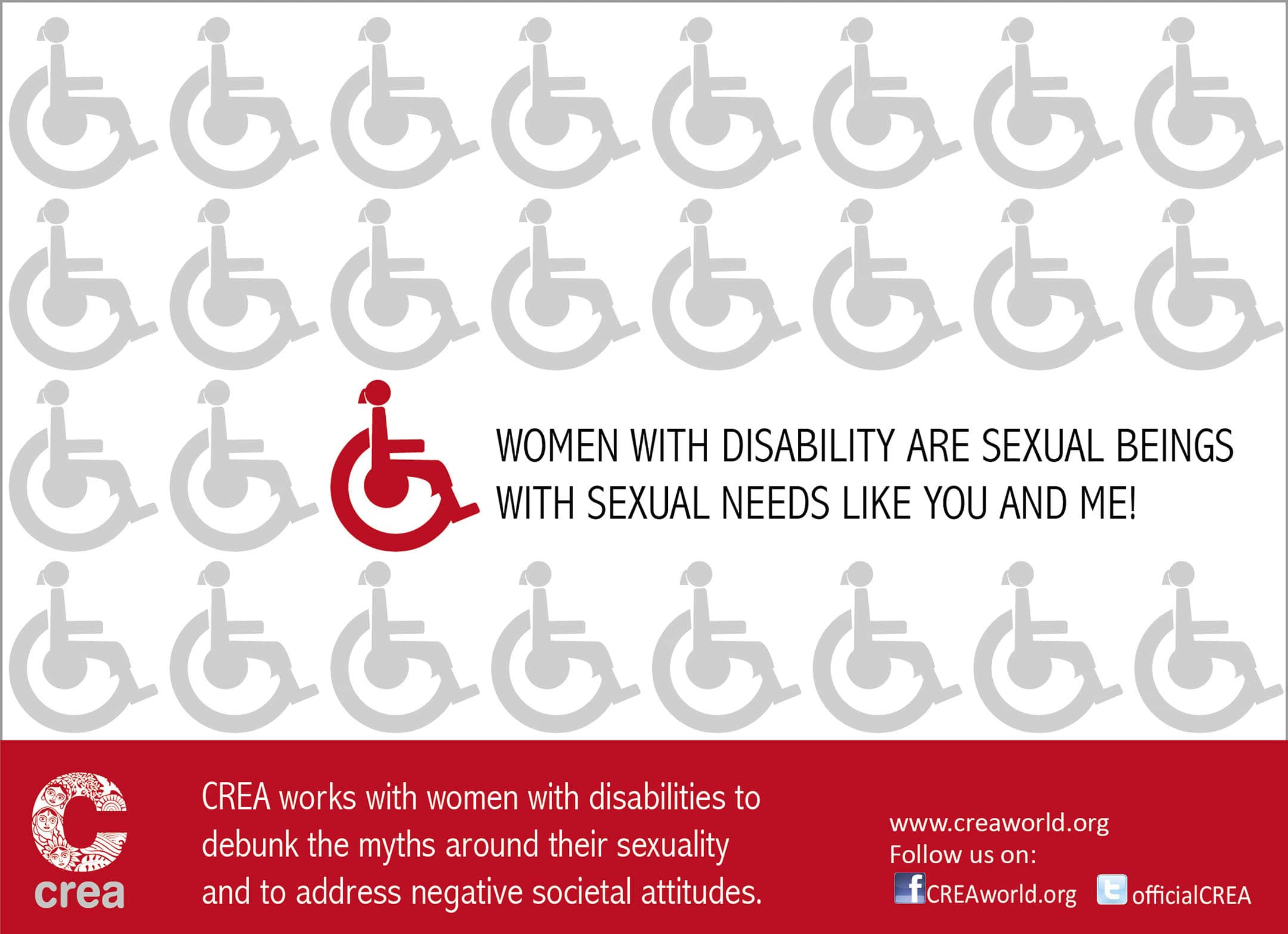
For more than 15 years, CREA has worked to advance the rights of women and girls with disabilities. Women and girls with disabilities face structural and systemic oppressions as well as deeply entrenched stigma and isolation. They are regularly excluded from political processes and mainstream women’s rights organizing based on their physical/mental abilities.
An intersectional lens guides our work and focuses on ways to address stigma and discrimination while seeking to advance sexual and reproductive rights. To do this, we:
- Build a cross-movement understanding and advocating for inclusion of issues of gender, sexuality and rights for women and girls with disabilities.
- Work directly with women with disabilities (WWDs) to build their knowledge, capacity and ability to better negotiate sexual and reproductive rights in their lives.
CREA acts solely as a catalyst that can bring together a diverse group of organizations and individuals to advance the rights of WWDs. Over the years, we have forged strong partnerships with a number of disability rights organizations as well as ensured inclusion of WWDs on its Board and staff/consultants who have played an important role in shaping our work.
In partnership with disability rights organizations and activists, CREA has worked to implement the program ‘Closing the Gap – Building Institutional Capacity (Disabled Peoples’ Organizations and Women’s Rights Organizations) to Address Sexuality and Disability’ in India and Nepal in South Asia and Kenya and Uganda in East Africa.
Using national, international and human rights mechanisms, CREA aims to build the capacity of national disability rights organizations on sexual and reproductive health and rights of women and girls living with disability and increase multi-stakeholder accountability.